630-462-9500
After Hour New Client Telephone Number 630-690-6077
1776 S. Naperville Road, Building B, Suite 202,
Wheaton, IL 60189

-

- Home
- Firm Overview
- Attorneys
- Practice Areas
- Divorce
- What To Expect During Your Divorce
- How To Choose A Divorce Attorney
- Divorce Planning
- Protecting Your Credit During Divorce
- Settlement Vs. Trial
- Alimony / Maintenance
- Unallocated Alimony
- Taxes and Divorce
- Distribution of Marital Property
- Dissipation of Assets
- Retirement Plans, IRAs And QDROs
- International & Interstate Divorce
- Post Divorce Modifications & Enforcement
- Divorce FAQs
- High Net Worth Divorce
- Child Custody
- Child Support
- Collaborative Law
- Mediation
- Family Law
- Appeals
- Criminal Representation
- Divorce
- Testimonials
- Media
- Blog
- Contact

What Steps Are Involved in the Illinois Adoption Process?
 Deciding to adopt a child is one of the most consequential decisions you will ever make. Whether you are thinking about adoption because of fertility issues, a desire to formally adopt your stepchild, or any other reason, you probably have many questions about how it all works. At The Stogsdill Law Firm, P.C., our Wheaton, IL family lawyers have over 100 years of shared experience, and we can guide you through the adoption process to make sure it goes as smoothly as possible.
Who Can Legally Adopt a Child in Illinois?
In Illinois, adoption can be open to many different kinds of families. Some people assume you must be married to adopt, but that is not necessarily true. The main concern is whether you can provide a safe, stable home and meet the legal requirements in your case.
An adoptive parent must be an adult in most cases. Courts and agencies also look at capacity, meaning whether you can make sound decisions and provide steady care. A child needs consistency, supervision, and a home that stays stable even when life gets stressful.
Capacity can include practical things, like whether you can meet a child’s daily needs. The process often looks at your ability to provide food, housing, medical care, and a safe routine. It can also include emotional capacity. Courts want to know you can handle challenges like trauma, loss, or behavior struggles, depending on the child’s background. This does not mean you must be wealthy or have a perfect life. Many adoptive parents work normal jobs, live in modest homes, and still provide excellent care. What matters is whether you can show responsibility, good judgment, and a long-term plan for supporting a child.
Avenues for Adopting a Child in 2026
One of the most common types of adoption is a relative adoption, such as a stepparent adoption or grandparent adoption. A child can only have two legal parents. If you wish to adopt a child related to you, you may need to first get consent from the child's biological parent(s). One or both parents may need to voluntarily terminate their parental rights before you can adopt the child.
In some cases, a biological parent’s rights must be terminated before an adoption can proceed. Termination may be voluntary through consent, or involuntary if the court finds parental unfitness under the Illinois Adoption Act (750 ILCS 50/1(D)).
An agency adoption involves adopting a child from a private or public adoption agency after the birth parents gave the child up for adoption or had their parental rights terminated. A private adoption involves adopting a child directly from the birth mother. Legal guidance from an adoption attorney is recommended for any type of adoption. However, it is especially crucial to get reliable legal support when pursuing a private adoption.
Is a Background Check Required for an Illinois Adoption?
In most Illinois adoptions, background checks are a standard part of the process. They are meant to protect children and confirm that the home is safe. Having a past criminal record doesn’t automatically disqualify you from adopting a child. Convictions of violent crimes, sex crimes, and drug offenses typically raise red flags with adoption authorities.
A background check often includes fingerprinting and a search of criminal history records. In some situations, the process may also include checks related to child abuse or neglect records, depending on the type of adoption and the agency involved. If you have any questions about the background check, our firm can go over realistic expectations.
What Is a Home Study?
A home study is a formal review of your home and your readiness to adopt. The purpose of these visits is to confirm that a child will be safe, supported, and cared for over time.
Home studies frequently involve interviews with the adult members of your household. You may be asked about your work schedule, your finances, your health, and your reasons for adopting. The reviewer may also ask about your support system, like close family members, friends, or community ties. They may ask how you plan to handle childcare, school needs, discipline, and medical care.
The home itself is also reviewed. For example, the evaluator may check that there is enough space, that the child will have a safe sleeping area, and that hazards are addressed. These details can feel personal and intrusive, but they are part of the state’s duty to protect children.
A proper home study takes time. It may include document requests, reference checks, and follow-up questions. Many families feel nervous at first, which is to be expected. The best approach is to be honest, respond promptly, and treat the home study as a chance to plan for the real-life changes adoption brings.
Filing an Adoption Petition and Attending Hearings
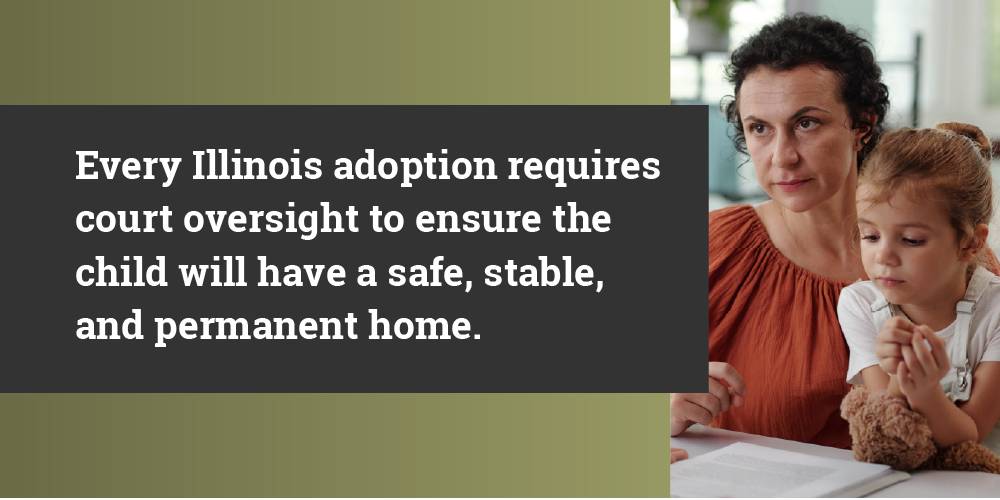
The first step in the adoption process is filing a petition for adoption. This petition is typically filed with the circuit court where the adoptive parents, biological parents, or the child lives. This petition is served along with a summons to the individuals required to attend the adoption hearing. In many cases, an interim order hearing is then held to determine who the child will live with while the adoption proceedings are ongoing.
The judge may assign a guardian ad litem (GAL) to represent and protect the child's best interests. The GAL will interview the individuals involved in the case and file a report stating his or her recommendations.
At the final order hearing, the court will examine the GAL's report, the investigator's report, and the affidavits of the parties involved, and make a decision about whether or not to allow the adoption. If the child is over 14 years old, he or she will have to give final consent to the adoption. If the adoption is granted, the adoptive parents may acquire a revised birth certificate for the child through the Illinois Department of Public Health.
Contact a DuPage County, IL Adoption Lawyer
Adopting a child is a complicated legal matter. For dependable legal representation and support throughout the adoption process, contact The Stogsdill Law Firm, P.C..
We have the skills and experience to represent prospective parents in DuPage County. Call our office today at 630-462-9500 and schedule a consultation with a skilled Wheaton, IL family law attorney to discuss your needs.











Contact Us To Schedule A Consultation With An Attorney At Our Firm
Call 630-462-9500 or provide your contact information below and we will get in touch with you:
The Stogsdill Law Firm, P.C.
1776 S. Naperville Road, Building B, Suite 202Wheaton, IL 60189630-462-9500